Local Insights: How Environmental Law Impacts Mississippi's Oil and Gas Industry
JR
Understanding Environmental Law in Mississippi
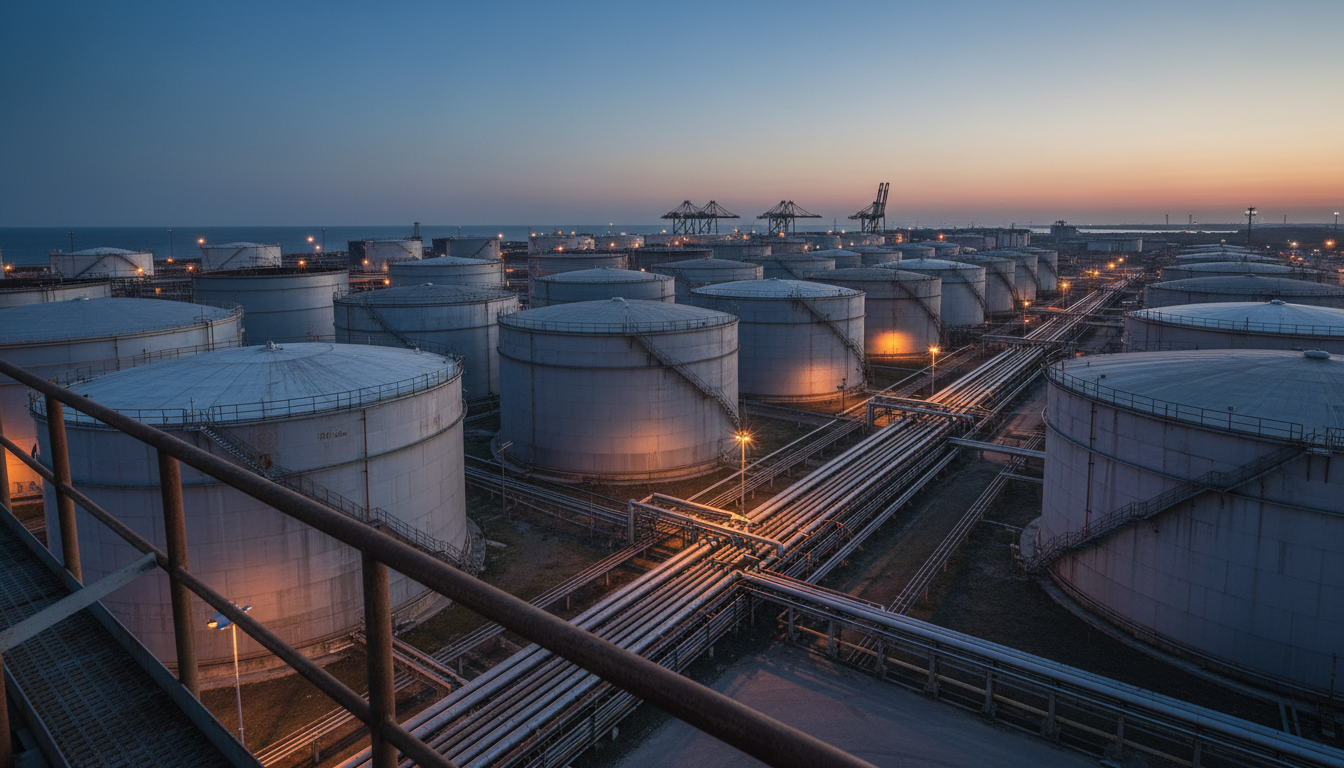
Mississippi's oil and gas industry is a significant contributor to the state's economy, providing jobs and energy resources. However, it operates under the scrutiny of environmental laws designed to protect the state's natural resources. Understanding these laws is crucial for industry players who want to ensure compliance and sustainability.
Environmental regulations in Mississippi are influenced by both federal and state laws. The state's Department of Environmental Quality (DEQ) plays a pivotal role in enforcing these regulations, which cover various aspects such as air and water quality, waste management, and land restoration.

The Role of Federal Laws
Federal laws significantly impact Mississippi's oil and gas operations. Key legislation includes the Clean Air Act, which regulates emissions, and the Clean Water Act, which governs the discharge of pollutants into water bodies. These laws set the groundwork for state-level regulations and ensure that environmental standards are maintained.
The Environmental Protection Agency (EPA) works closely with Mississippi's DEQ to monitor compliance. Non-compliance can lead to hefty fines and operational delays, making it essential for companies to stay informed about regulatory changes and ensure their practices are up to par.
State Regulations and Their Impact
In addition to federal laws, Mississippi has its own set of regulations that address specific environmental concerns within the state. These include guidelines for drilling operations, waste disposal, and land use. The state's geological characteristics and biodiversity require tailored approaches to environmental protection.

The Mississippi Oil and Gas Board (OGB) oversees the permitting process for drilling operations. They ensure that all activities are conducted safely and responsibly, minimizing the impact on the environment. Companies must navigate this regulatory landscape carefully, as obtaining permits can be a complex and time-consuming process.
Challenges and Opportunities
Compliance with environmental laws presents both challenges and opportunities for Mississippi's oil and gas industry. On one hand, strict regulations can increase operational costs and limit expansion opportunities. On the other hand, they offer a chance to innovate and adopt cleaner technologies that can enhance sustainability.
Many companies are investing in new technologies to reduce their environmental footprint. This not only helps in complying with regulations but also improves their public image and competitiveness in a market increasingly focused on sustainability.
The Future of Environmental Regulations
Looking ahead, the oil and gas industry in Mississippi may face even stricter environmental regulations. As climate change becomes a more pressing global issue, there is a growing push for policies that further reduce emissions and protect natural resources.
Industry stakeholders must stay proactive, engaging with regulators and communities to shape policies that balance economic growth with environmental protection. By doing so, they can ensure the industry's long-term viability in a changing legal landscape.