Seasonal Considerations for Oil and Gas Litigation in Mississippi
JR
Understanding Seasonal Impacts on Litigation
Oil and gas litigation in Mississippi can be heavily influenced by seasonal changes. These fluctuations can affect everything from operational timelines to environmental considerations. Understanding how the seasons impact this industry is crucial for companies to navigate legal challenges effectively.
During certain times of the year, weather conditions can lead to delays in operations. For instance, heavy rains and flooding common in spring and early summer can disrupt drilling activities, potentially leading to contractual disputes. Companies need to be prepared for these delays and have contingency plans in place.

Environmental Regulations and Compliance
Seasonal changes also bring about shifts in environmental regulations. In Mississippi, the wet season can lead to increased scrutiny from regulatory bodies due to the potential for contamination and spills. Companies must ensure compliance with all environmental laws, which may require additional testing and monitoring during these periods.
Failure to adhere to these regulations can result in significant legal challenges, including fines and litigation. Staying informed about seasonal regulatory changes can help companies mitigate these risks.
Impact of Hurricane Season
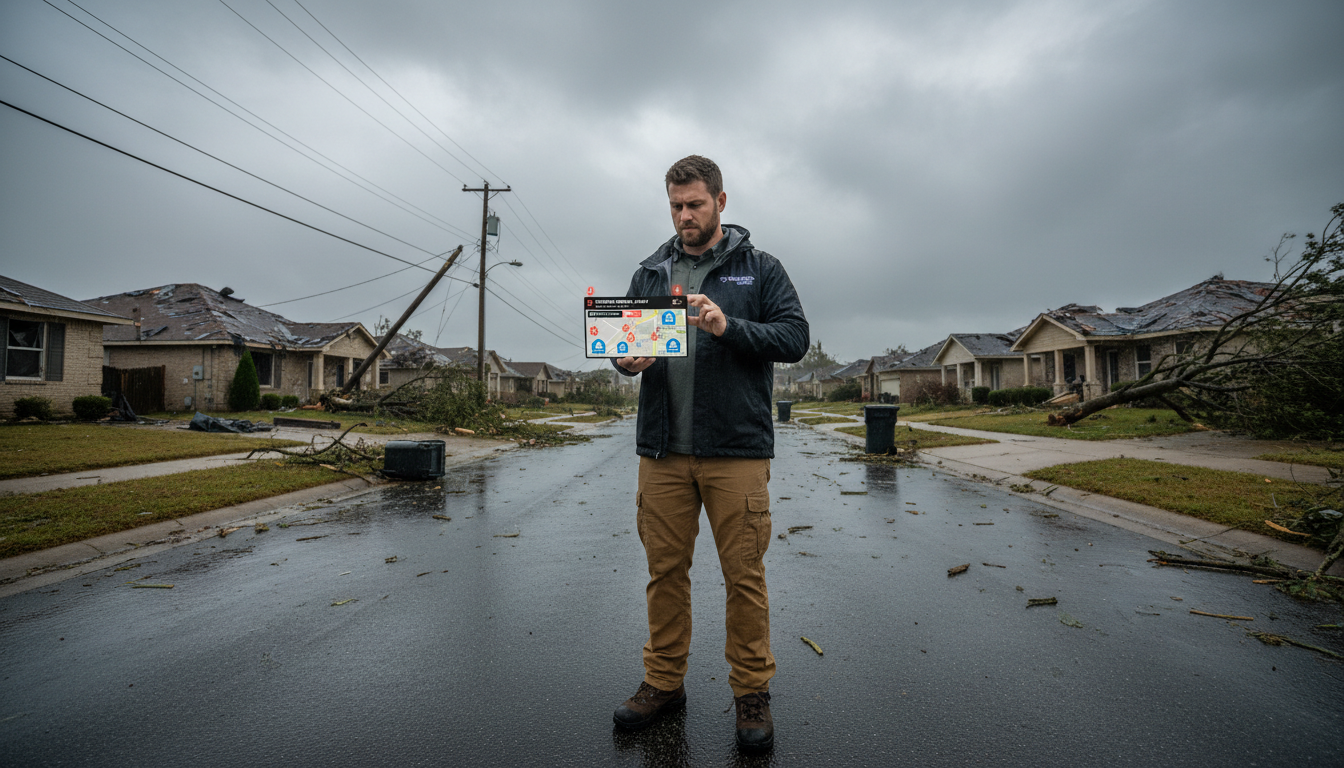
Hurricane season, which spans from June to November, poses unique challenges for the oil and gas industry in Mississippi. The threat of hurricanes can lead to operational shutdowns and damage to infrastructure, resulting in potential legal disputes over liability and insurance claims.
Labor and Workforce Considerations
The availability and management of labor can also be affected by seasonal changes. During periods of extreme weather, companies might face workforce shortages, which can delay projects and impact contractual obligations. Proper workforce planning and management are essential to minimize these disruptions.
Additionally, safety concerns during harsh weather conditions can lead to increased litigation risks. Ensuring that safety protocols are in place and adhered to can help protect against potential lawsuits.
Strategic Planning and Risk Management
Effective risk management strategies are vital for navigating seasonal challenges in oil and gas litigation. Companies should engage in strategic planning to anticipate potential legal issues related to seasonal changes. This includes reviewing contracts for force majeure clauses and ensuring robust insurance coverage.
Proactive communication with stakeholders, including investors, regulators, and local communities, is crucial. By maintaining transparent dialogue, companies can foster trust and reduce the likelihood of litigation.
Leveraging Technology for Better Outcomes
Technology plays a significant role in managing seasonal considerations. Innovative tools such as predictive analytics and weather forecasting can help companies anticipate and mitigate risks. By leveraging technology, companies can enhance their operational efficiency and reduce the potential for legal disputes.
Overall, understanding and preparing for the seasonal impacts on oil and gas litigation in Mississippi is essential for companies looking to minimize risks and operate smoothly year-round.